
Iran–US Standoff Deepens as Strait of Hormuz Shipping Nearly Grinds to a Halt
Stalled diplomacy and attacks on tankers are disrupting Hormuz traffic, keeping oil markets on edge and raising fears of wider regional escalation.
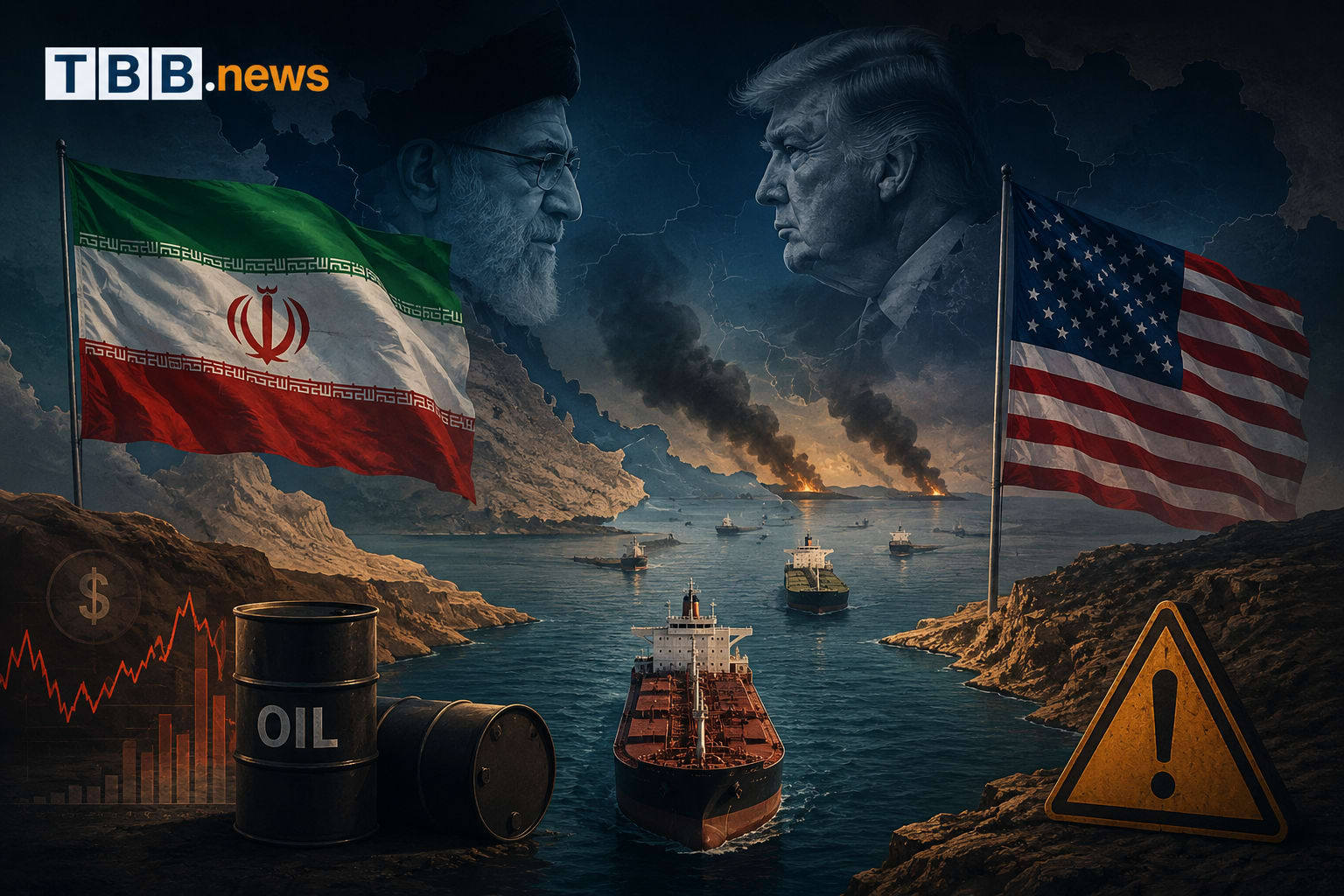
Shipping through the Strait of Hormuz has fallen sharply as Iran–US peace efforts remain stalled, with only five commodity vessels crossing the strategic waterway on Saturday and none recorded on Sunday, according to Kpler tracking data. The disruption follows attacks on tankers and growing tensions between Tehran and Washington, raising concerns over global energy supplies and a broader Middle Eastern conflict.
Hormuz Becomes the Immediate Flashpoint
The latest slowdown represents a dramatic change from normal traffic. More than 130 vessels a day crossed the strait before the war began in February, while Hormuz previously carried roughly one-fifth of global oil and LNG shipments.
The United Arab Emirates has accused Iran of attacking three tankers operated by state-owned Abu Dhabi National Oil Company. Two vessels were attacked on August 14, while the UAE later reported another incident involving an ADNOC tanker.
The sharp decline in shipping has turned a strategic waterway into one of the conflict’s most consequential pressure points.
Diplomacy Remains Stalled
Diplomatic efforts have yet to produce an agreement on reopening the waterway. Iranian Foreign Minister Abbas Araqchi said Iran had not decided whether to resume peace talks, while Tehran continues to demand concessions from Washington before normal shipping can return.
The United States, meanwhile, has maintained pressure on Iran through military and economic measures. President Donald Trump has warned Americans to expect higher fuel prices as the conflict continues, while his administration is considering additional sanctions targeting Iranian revenue and supply networks.
The dispute has therefore moved beyond the original military confrontation. Control of maritime traffic, sanctions and access to energy markets have become central elements of the standoff.
Oil Markets Feel the Pressure
Energy markets have responded cautiously but remain highly sensitive to developments around Hormuz. Brent crude held near $88.55 a barrel on Monday, while US West Texas Intermediate stood around $82.26. Both benchmarks gained more than 5% during the previous week after attacks involving energy infrastructure and tankers.
Asian markets were mostly subdued as investors weighed the possibility of prolonged energy disruption. Higher oil prices could increase transportation, electricity and production costs, adding inflationary pressure to economies that depend heavily on imported fuel.
The immediate market response remains measured because traders are looking for evidence that physical oil supplies will face sustained disruption. A prolonged closure of Hormuz, however, could produce a much larger shock.
Wider Regional Risks
The danger extends beyond the strait itself. Shipping through the Bab el-Mandeb Strait has also declined amid a blockade declared by Yemen’s Iran-backed Houthi movement, putting additional pressure on regional maritime trade.
Violence elsewhere in the region is adding to the uncertainty. Israeli strikes in southern Lebanon have killed at least 11 people, while tensions involving Iran, Qatar and Yemen have created additional potential pathways for escalation.
The central question is whether Washington and Tehran can restore diplomacy before maritime confrontation becomes a sustained feature of the war. For global markets, governments and shipping companies, the Strait of Hormuz has become more than a strategic waterway—it is now a critical test of whether the conflict can remain contained.
How did this land?
Related reporting

Oil Gains as Iran Maintains Hormuz Conditions and Regional Risks Persist
Crude prices rose after Iran linked Hormuz reopening to U.S. concessions while new attacks heightened concerns over energy supplies.
Syria Removed From U.S. Terrorism List: A State’s Rebirth or a New Geopolitical Game?
The United States has removed Syria from its terrorism list after 47 years, opening a new chapter of recognition, reconstruction, and geopolitical competition.

Erdogan Urges Trump to Continue Iran Talks, Offers Diplomatic Support
Turkish President Erdogan urges Trump to sustain talks with Iran and offers Ankara’s support as regional tensions persist.

Israel expands ground assault in Gaza City as humanitarian crisis deepens
Israel’s expanded Gaza City operation is driving displacement as humanitarian access, shelter and essential services remain severely strained.