
Oil Gains as Iran Maintains Hormuz Conditions and Regional Risks Persist
Crude prices rose after Iran linked Hormuz reopening to U.S. concessions while new attacks heightened concerns over energy supplies.

Oil prices moved higher on Monday after Iranian officials reiterated conditions for reopening the Strait of Hormuz and reports of attacks on energy infrastructure and shipping added to concerns about regional supply security. Brent crude traded above $84 per barrel while West Texas Intermediate approached $79, reversing part of last week's decline. Traders reacted to uncertainty over the timeline for restoring unrestricted traffic through one of the world's most important energy corridors.
Iran said over the weekend that progress had been made in discussions involving Oman, but officials maintained that additional political and economic conditions would need to be addressed before normal shipping operations could resume. The developments came as governments, energy companies and commodity markets continued to assess the impact of ongoing tensions in the Gulf region.
Market Response to Hormuz Uncertainty
Energy markets responded quickly to signals that a rapid resolution may not be imminent. The Strait of Hormuz has long served as a critical route for global oil exports, and any disruption can affect supply expectations and pricing.
Market participants had previously anticipated that negotiations could lead to a near-term reopening. Those expectations contributed to a decline in oil prices during the previous week. However, statements from Tehran indicating that key issues remain unresolved prompted traders to reassess those assumptions.
Analysts said uncertainty rather than confirmed supply losses was the primary driver of price movements.
"Crude oil prices remain caught between opposing forces," said market analyst Sugandha Sachdeva, referring to hopes for progress and concerns about continued restrictions.
Security Incidents Raise Supply Concerns
Additional pressure on markets came from reports of attacks targeting energy assets and maritime traffic. Yemen's Houthi movement claimed responsibility for a drone strike on Saudi Aramco's refinery in Jazan, a facility with significant refining capacity on the Red Sea coast.
The claim followed earlier reports of disruptions affecting regional infrastructure. Saudi Arabia has relied on Red Sea export routes as alternatives to Gulf shipping channels, making security developments along those corridors closely watched by traders and policymakers.
The United Arab Emirates' national energy company, ADNOC, also reported multiple incidents involving vessels transiting the Strait of Hormuz since the conflict began. While the full impact of those incidents remains under assessment, they have reinforced concerns about shipping safety and insurance costs.
Attacks have reportedly targeted refineries, ports and commercial vessels.
Shipping companies continue to monitor security conditions.
Energy traders are evaluating potential effects on export flows.
Diplomatic and Economic Stakes
Iranian officials said discussions related to shipping arrangements were advancing, but they also emphasized broader demands involving sanctions, security guarantees and compensation issues. At the same time, Iranian representatives indicated that direct engagement with the United States remains constrained by disagreements over existing commitments.
The uncertainty places governments and energy consumers in a difficult position. Countries that depend heavily on imported crude are monitoring developments closely because prolonged disruptions could increase fuel costs and inflationary pressures.
Financial markets have also reacted to the situation. Investors are balancing the possibility of a negotiated breakthrough against the risk that new incidents could further disrupt transportation routes and energy infrastructure.
Outlook for Energy Markets
The direction of oil prices in the coming weeks is likely to depend on whether diplomatic efforts produce a workable framework for restoring shipping through the Strait of Hormuz. A clear agreement that improves maritime access could reduce the geopolitical risk premium currently embedded in crude prices.
Conversely, additional attacks on vessels, ports or energy facilities could push prices higher by raising concerns about supply reliability. Market participants will continue to watch official statements from regional governments, shipping operators and energy companies for signs of progress or deterioration.
For now, traders remain focused on the balance between diplomacy and security. Oil prices have risen because uncertainty persists, and the outcome of negotiations and regional stability efforts will play a significant role in determining future market direction.
How did this land?
Related reporting
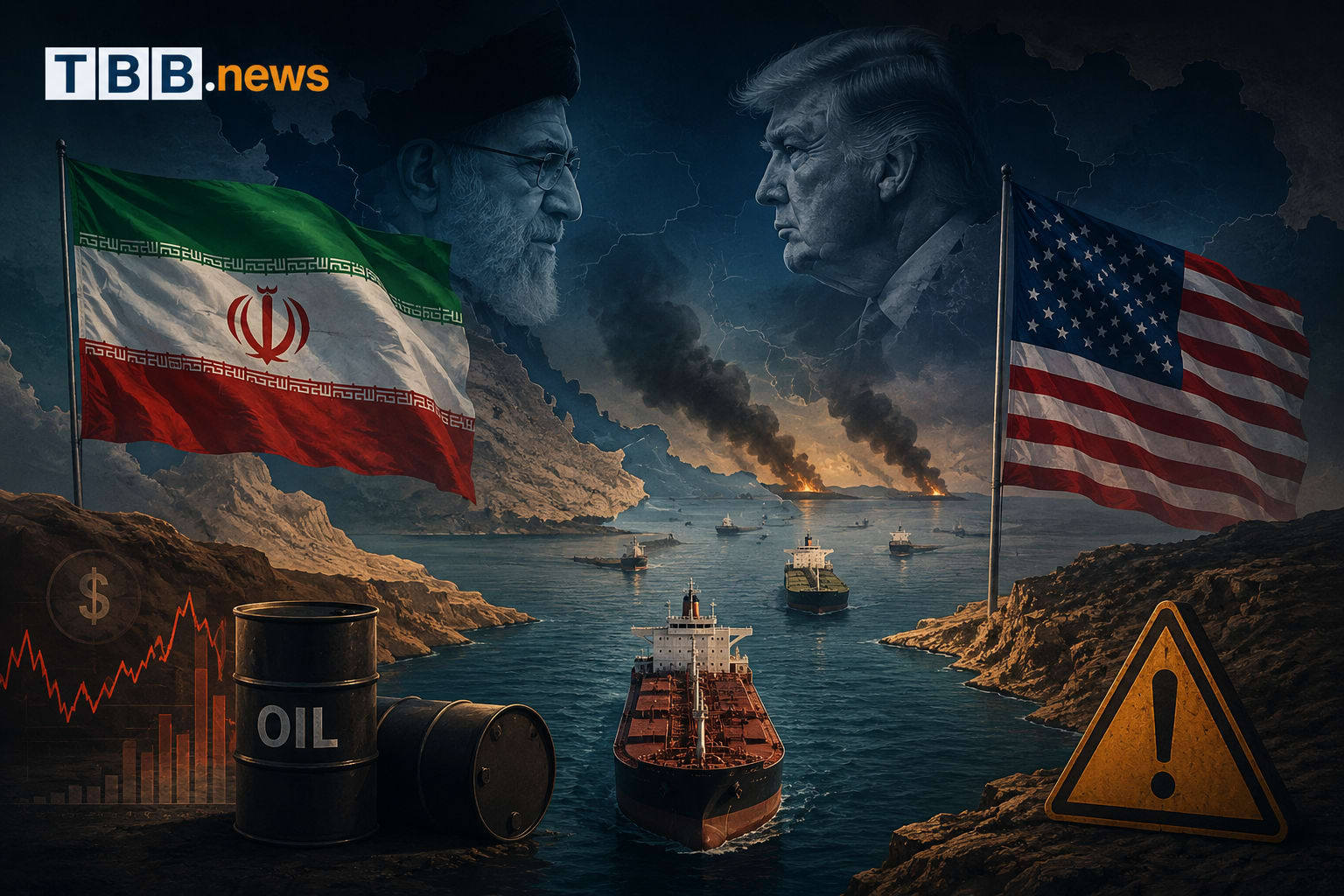
Iran–US Standoff Deepens as Strait of Hormuz Shipping Nearly Grinds to a Halt
Stalled diplomacy and attacks on tankers are disrupting Hormuz traffic, keeping oil markets on edge and raising fears of wider regional escalation.

Erdogan Urges Trump to Continue Iran Talks, Offers Diplomatic Support
Turkish President Erdogan urges Trump to sustain talks with Iran and offers Ankara’s support as regional tensions persist.

Israel expands ground assault in Gaza City as humanitarian crisis deepens
Israel’s expanded Gaza City operation is driving displacement as humanitarian access, shelter and essential services remain severely strained.

Yemen conflict displaces more than 100,000 as Red Sea risks grow
Renewed fighting in Yemen has displaced more than 100,000 people and pushed thousands toward Djibouti as Red Sea security deteriorates.