
Dhaka's Air Pollution: The Capital in the Grip of a Silent Killer
Experts warn that seasonal improvements in Dhaka’s air quality may reverse without stronger controls on emissions and dust.
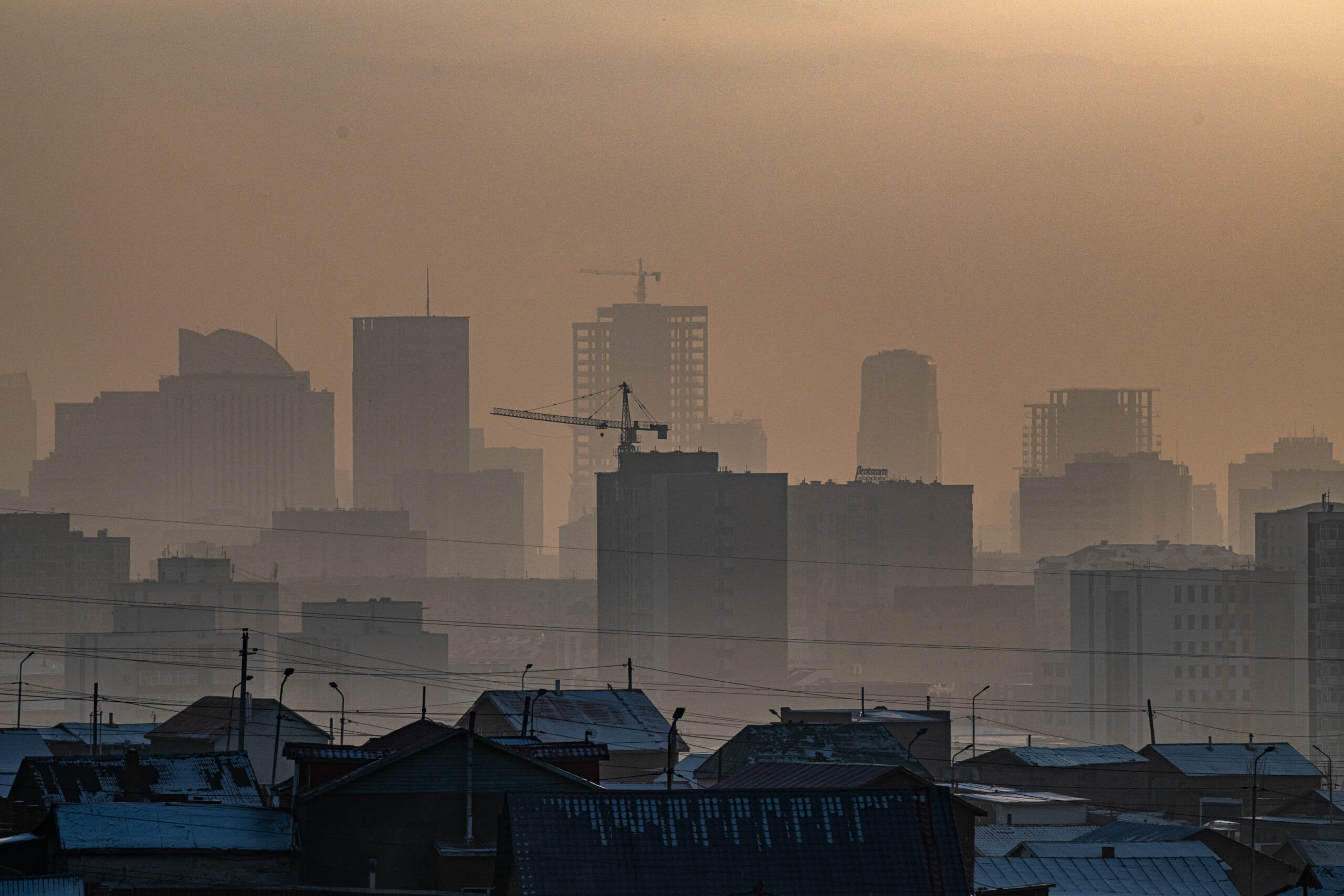
Residents of Dhaka have spent much of the year breathing air classified as very unhealthy or hazardous, as the capital repeatedly ranked among the world's most polluted cities. According to data from air quality monitoring organization IQAir, the city's Air Quality Index (AQI) exceeded 200 on numerous occasions and at times surpassed 300. In March, Dhaka was briefly identified as the world's second most polluted city, with an AQI above 250, highlighting growing concerns about public health and environmental management.
The deteriorating air quality stems from a combination of seasonal weather conditions and persistent sources of pollution. Experts say weak air circulation during winter traps pollutants near the ground, while emissions from vehicles, industries, construction sites, and brick kilns continue to accumulate across the city. Although monsoon rains have recently improved conditions, specialists caution that the improvement may prove temporary.
Pollution Sources Remain Widespread
Environmental researchers identify several major contributors to Dhaka's air pollution. Vehicle exhaust from a rapidly growing urban transport network remains a significant source of emissions. Industrial activities within and around the capital also release pollutants into the atmosphere, often under limited oversight.
Construction work across expanding neighborhoods generates large quantities of dust. Nearby brick kilns add further emissions, particularly during the dry season when weather conditions prevent pollutants from dispersing efficiently.
One of the most concerning pollutants is PM2.5, a fine particulate matter capable of penetrating deep into the lungs and bloodstream. Measurements in Dhaka frequently record PM2.5 concentrations several times higher than levels recommended by the World Health Organization.
Areas with dense populations and heavy traffic often experience the worst conditions. Reports have repeatedly highlighted parts of Old Dhaka as locations where pollution levels remain especially high.
Health Risks Continue to Grow
Health specialists warn that prolonged exposure to polluted air carries serious consequences. A World Bank report found that air pollution, unsafe water, and inadequate sanitation contribute to hundreds of thousands of premature deaths annually in Bangladesh.
The burden falls disproportionately on vulnerable groups, including children, older adults, women, and low-income communities. Medical experts say exposure to polluted air increases the likelihood of both acute and chronic illnesses.
Respiratory diseases and breathing difficulties
Reduced lung function over time
Cardiovascular complications
Increased vulnerability to infections
"Long-term exposure to polluted air significantly raises the risk of respiratory and cardiovascular disease," health specialists have warned in public assessments.
Children face heightened risks because their lungs are still developing. Older adults often experience more severe effects because existing health conditions can be aggravated by poor air quality.
Seasonal Improvement Offers Limited Relief
Recent weather patterns have brought a temporary improvement to Dhaka's air quality. Rainfall associated with the monsoon season has helped remove airborne particles, while stronger winds have dispersed pollutants more effectively than during winter months.
Air quality readings have generally improved compared with the dry season. However, environmental experts stress that favorable weather should not be mistaken for lasting progress.
"Weather can provide short-term relief, but lasting improvement requires structural action," environmental researchers have said.
Analysts note that the main sources of pollution remain largely unchanged. As a result, air quality could deteriorate rapidly once dry weather returns and atmospheric conditions again trap pollutants near the surface.
Long-Term Solutions Needed
Environmental advocates argue that sustained improvements will depend on stronger enforcement and policy reforms. They recommend tighter regulation of brick kilns, stricter monitoring of industrial emissions, and mandatory dust-control measures at construction sites.
Experts also call for modernization of public transportation to reduce dependence on high-emission vehicles. Improved coordination among regulatory agencies and stronger implementation of existing environmental rules are widely viewed as necessary steps.
Dhaka's recent improvement demonstrates that cleaner air is achievable under favorable conditions. Yet specialists warn that without addressing the underlying causes of pollution, residents are likely to face another cycle of hazardous air when the dry season returns, leaving public health and quality of life at continued risk.
How did this land?
Related reporting
Dhaka’s Waste Crisis Emerges as a Silent Urban Disaster
Rapid urbanisation and weak waste systems are leaving Dhaka’s streets, drains and waterways increasingly burdened by waste.

Bangladesh Plans New Measles Catch-Up Campaign as Toll Passes 1,000
Bangladesh is preparing another measles-rubella vaccination drive as more than 171,000 suspected cases expose persistent immunity gaps.

August Dengue Cases in Bangladesh Third-Highest in 26 Years
Bangladesh recorded 20,536 dengue cases and 43 deaths in August, the third-highest August totals since the country's first major outbreak in 2000.
A Hotter South Asia: Extreme Heat Becomes the New Normal
South Asia is entering a climate era of more frequent, earlier and increasingly dangerous extreme heat.