
A Hotter South Asia: Extreme Heat Becomes the New Normal
South Asia is entering a climate era of more frequent, earlier and increasingly dangerous extreme heat.
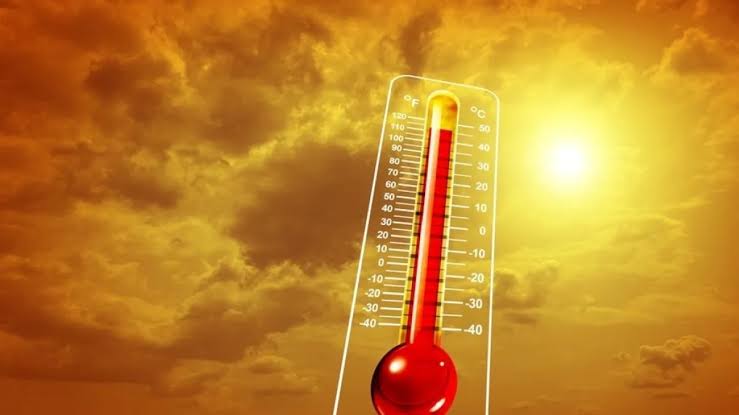
South Asia is entering a new era of extreme heat, with unusually high temperatures becoming more frequent, arriving earlier in the year and posing growing risks to health, livelihoods and essential infrastructure. Recent research suggests that heat once considered exceptional is becoming increasingly plausible under today’s climate.
The shift is particularly important for countries such as Bangladesh, India, Pakistan and Nepal, where large populations are exposed to high temperatures and where many people work outdoors or live in homes with limited access to cooling.
A Changing Pattern of Extreme Heat
A 2026 study published in the Journal of Climate, examining temperature extremes between 1981 and 2024, found that many recent extreme events in Bangladesh, Pakistan and Nepal are no longer particularly rare in the current climate. Bangladesh showed a widespread increase in the risk of extreme heat during May.
The findings point to a broader change in the region’s heat pattern. The concern is not simply that temperatures are occasionally reaching higher levels, but that the conditions that produce dangerous heat are becoming more common.
During April and May 2026, India and Pakistan experienced a major pre-monsoon heatwave, with temperatures exceeding 46°C in several locations. A World Weather Attribution analysis found that human-caused climate change made the 15-day heatwave approximately three times more likely than it would have been in a preindustrial climate.
Extreme heat is increasingly becoming a recurring climate risk rather than an isolated weather emergency.
Bangladesh Faces Growing Exposure
Bangladesh is among the countries facing particularly serious risks. The 2026 Journal of Climate study identified much of the country as a “sitting duck” for future extreme heat, meaning the risk of extreme temperatures is rising while the most extreme events already observed may not represent the full heat potential of the current climate.
The risks are amplified by humidity and by the conditions in which many people live and work. Heat exposure can be especially dangerous for outdoor workers, people in poorly ventilated housing and households without reliable access to electricity or cooling.
A World Bank assessment estimates that by 2030, nearly 90% of South Asia’s population could be exposed to intense heat. That level of exposure makes extreme heat not only an environmental concern but also a major social and economic challenge.
Heat Threatens Health and Livelihoods
The consequences of extreme heat extend across public health and the economy. Heat can increase the risks of heatstroke, dehydration and cardiovascular and respiratory problems. Prolonged exposure can also make ordinary work increasingly hazardous.
The World Bank has described extreme heat as an emerging “jobs crisis” for South Asian cities. For outdoor workers, staying home during dangerous conditions can mean losing income, while continuing to work can increase the risk of serious heat-related illness.
Extreme temperatures can also reduce crop productivity, increase water stress and drive higher demand for air conditioning and fans. Rising electricity demand during heatwaves can place additional pressure on power systems.
The burden is unlikely to be shared equally. Poor households, informal workers, women, older people and people without dependable electricity or cooling have fewer ways to escape dangerous temperatures.
Preparing for a Hotter Future
The phrase “new normal” does not mean that every summer will break records. It means that the baseline risk has shifted. Temperatures that were once unusual can become increasingly plausible, while historically exceptional events may occur more frequently.
That change requires governments to move beyond emergency responses and build permanent systems for heat preparedness. Measures include early-warning systems, heat-health action plans, workplace protections, better urban design, resilient electricity and water supplies and wider access to cooling.
The World Meteorological Organization and partners launched new regional initiatives in 2026 aimed at connecting climate forecasting with health action. Such efforts reflect a growing recognition that heat protection must involve health agencies, governments, employers, cities and communities.
South Asia cannot eliminate extreme heat through adaptation alone, particularly as global temperatures continue to rise. But better preparation can reduce deaths, protect workers and make communities more resilient.
The central challenge is therefore no longer whether extreme heat will return. Increasingly, it is whether South Asia can prepare its cities, health systems, workplaces and economies for a climate in which dangerous heat is becoming a regular part of life.
How did this land?
Related reporting

Super El Niño strengthens as scientists warn of wider climate impacts
Scientists warn that a strengthening Super El Niño and a positive Indian Ocean Dipole could reshape weather, agriculture and water risks across South Asia.

Bangladesh Plans New Measles Catch-Up Campaign as Toll Passes 1,000
Bangladesh is preparing another measles-rubella vaccination drive as more than 171,000 suspected cases expose persistent immunity gaps.

August Dengue Cases in Bangladesh Third-Highest in 26 Years
Bangladesh recorded 20,536 dengue cases and 43 deaths in August, the third-highest August totals since the country's first major outbreak in 2000.

Bangladesh Offers Relief Support to Nepal as Deadly Flood Disaster Worsens
Bangladesh has expressed solidarity with Nepal and offered humanitarian assistance as rescue efforts continue after catastrophic floods and mudslides.