
Nepal Flood Disaster Enters a More Dangerous Phase as Regional Risks Grow
Nepal’s Himalayan flood disaster is worsening as casualties rise, rescue efforts continue and climate-linked hazards threaten the wider region.

August 29, 2026 — Nepal’s devastating Himalayan flood disaster has entered a more dangerous and uncertain phase as rescue operations continue amid a rising death toll, thousands of missing people and fears of further flooding from unstable, debris-dammed lakes.
The catastrophe began on August 26 when a massive ice-and-rock avalanche in the Himalayan region triggered a sudden surge into the Lhende Khola and Bhote Koshi river systems. The resulting flash flood swept through communities in Nepal’s Rasuwa district and across the border in Tibet, destroying homes, roads, bridges, power facilities and border infrastructure within minutes.
Rising Casualties and Humanitarian Pressure
The full human toll remains difficult to establish because many remote areas remain inaccessible and hundreds of people are still unaccounted for. By August 29, Nepali authorities and international agencies were reporting more than 570 deaths in Nepal, while nearly 2,000 people remained missing across the wider disaster zone in Nepal and Tibet.
Thousands of people have been rescued, but search teams continue to recover bodies from rivers, collapsed structures and extensive debris. The destruction of roads and border crossings has made rescue operations more difficult and complicated efforts to determine the fate of people who were in the affected areas when the flood struck.
The disaster has also affected foreign nationals, including tourists and pilgrims travelling through the Himalayan border region.
The International Federation of Red Cross and Red Crescent Societies has estimated that more than 90,000 people have been directly affected. Health authorities have also warned that damaged medical facilities, displacement and poor sanitation could create additional humanitarian risks.
The immediate challenge is finding survivors while providing shelter, food, medical care and clean water to affected communities.
Climate Change and Himalayan Hazards
The disaster has renewed concerns about the accelerating effects of climate change across the Hindu Kush Himalaya.
Scientists and disaster experts say rising temperatures are contributing to glacier retreat, weakening ice and rock structures and increasing the potential for sudden glacier-related hazards. The initial flood appears to have been linked to an ice-rock avalanche and temporary blockage of a river, creating an exceptionally rapid release of water and debris downstream.
The threat extends beyond conventional monsoon flooding. As Himalayan glaciers retreat and mountain permafrost becomes less stable, communities can face a combination of glacial lake outburst floods, landslides, avalanches and debris flows with little warning.
The August disaster demonstrated how quickly such an event can overwhelm communities located in narrow Himalayan valleys.
Threat of Further Flooding and Regional Consequences
Authorities are also confronting a new threat from a lake formed after debris blocked a river near the Nepal-China border. The newly formed lake has raised concerns that a sudden breach could send another destructive surge downstream.
Rescue operations have at times been suspended because of the danger, while authorities and technical teams monitor water levels and the stability of the natural barrier. Although a repeat of the original catastrophe is not necessarily expected, the situation remains dynamic and unpredictable.
The consequences also extend beyond Nepal. Rivers originating in the Himalayas cross international borders, meaning major floods and landslides can threaten downstream communities in India and other parts of South Asia. Indian authorities have monitored downstream flood risks following the Nepal-Tibet disaster.
Damage to roads, bridges, hydropower facilities and border infrastructure is also disrupting transport, trade and tourism between Nepal and China. The affected region is an important route for pilgrims, tourists and cross-border commerce, making reconstruction a major economic challenge.
Rescue Operations and the Road Ahead
Nepalese security forces, emergency responders and local communities are continuing search-and-rescue operations in extremely difficult terrain. Helicopters are being used to evacuate survivors and transport essential supplies, while damaged roads and communications networks are slowing access to isolated communities.
The World Health Organization has identified damage to health facilities and warned of increased risks associated with displacement, overcrowding and disrupted sanitation.
For Nepal, the immediate priority remains saving lives and supporting displaced communities. But the disaster has also highlighted a longer-term challenge: strengthening early-warning systems and disaster preparedness in a region where climate-driven mountain hazards are becoming increasingly difficult to predict.
For communities living beneath changing glaciers and unstable mountain slopes, conventional flood preparedness may no longer be sufficient. Governments across the Himalayas will need stronger glacier monitoring, cross-border information sharing, early-warning systems and evacuation plans capable of responding to disasters that can develop within minutes.
As rescue teams continue searching through the devastation, Nepal faces the enormous task of rebuilding communities and infrastructure while adapting to a Himalayan environment increasingly shaped by a warming climate.
How did this land?
Related reporting

Super El Niño strengthens as scientists warn of wider climate impacts
Scientists warn that a strengthening Super El Niño and a positive Indian Ocean Dipole could reshape weather, agriculture and water risks across South Asia.

June 2026 Was the World’s Second-Warmest June on Record
Global temperatures reached 16.54°C in June, while oceans recorded their warmest June and western Europe suffered record heat.

Europe’s Heatwave Dries Rivers, Fuels Wildfires and Strains the Economy
Repeated heatwaves and drought are pushing European rivers to record lows while worsening wildfires and pressuring farming, energy and transport.
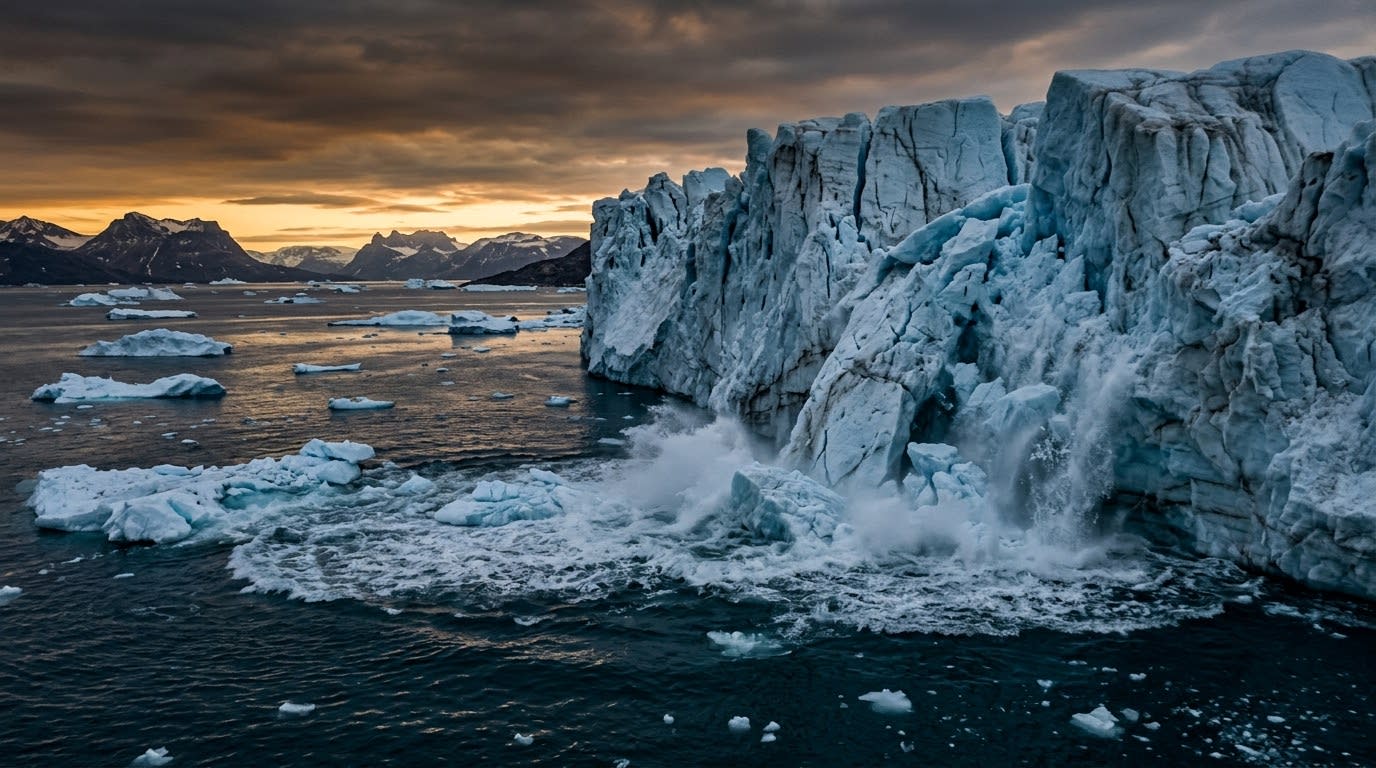
Arctic Glacier Melt Speeds Up, Raising Fresh Alarms Over Sea Level Rise
Rapid warming and accelerating ice loss in the Arctic are driving global sea levels higher, threatening coastal cities and vulnerable regions worldwide.