
Bangladesh Approves Plan to Abolish RAB and Create Special Response Battalion
Bangladesh’s Cabinet has approved a draft law to abolish RAB and establish a new specialised police unit, the Special Response Battalion.
Cabinet Approves the New Framework
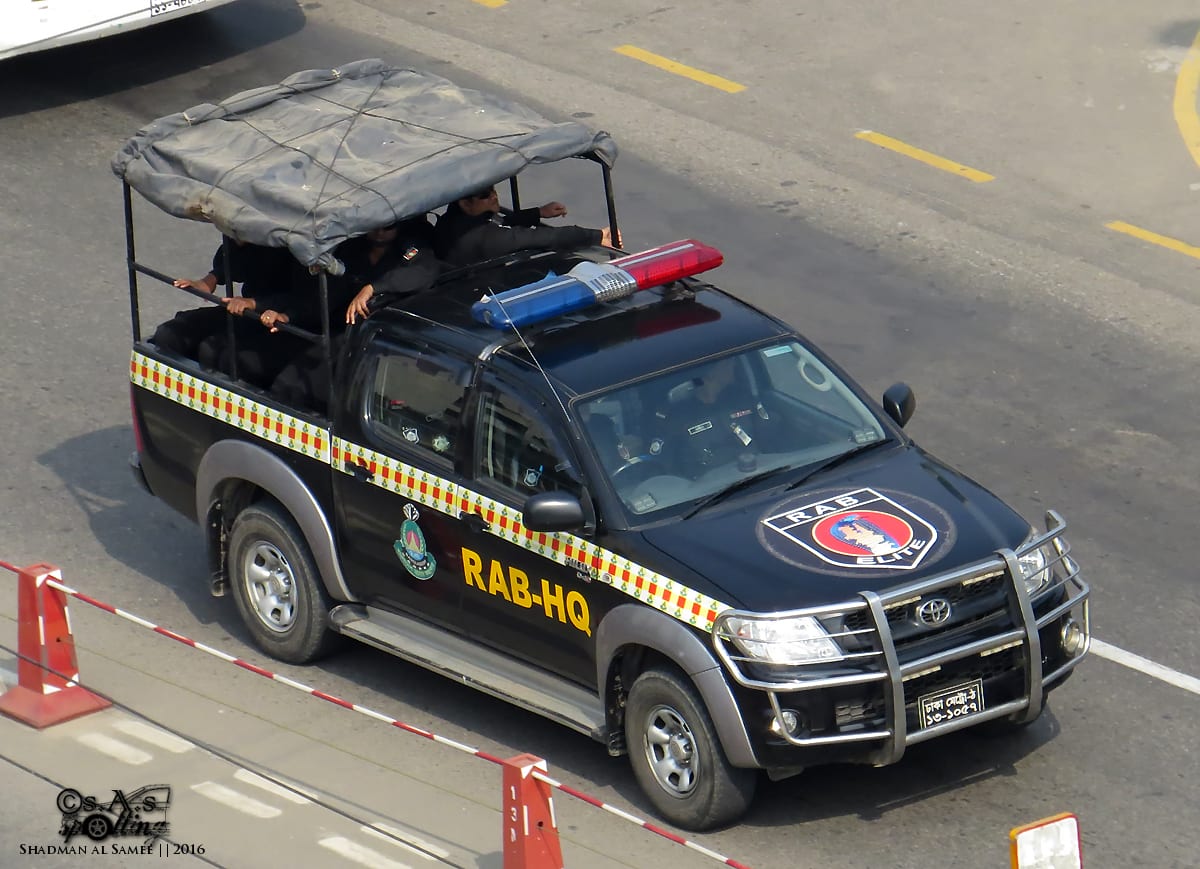
Bangladesh’s Cabinet has given final approval to a draft law that would abolish the Rapid Action Battalion (RAB) and establish a new specialised police unit, the Special Response Battalion (SRB). The decision was taken at a Cabinet meeting on August 17, chaired by Prime Minister Tarique Rahman at the Secretariat. The approval remains subject to legal vetting before the proposed legislation proceeds to the next stage.
The proposed Special Response Battalion would operate under the Bangladesh Police and take over key elements of RAB’s existing structure. The government’s move represents a major institutional change for one of Bangladesh’s most prominent specialised law-enforcement organisations.
The draft legislation is formally titled the “Special Response Battalion Act, 2026.” It follows months of discussion about the future structure, legal basis and accountability of the country’s elite security force.
Personnel, Powers and Assets to Continue
The proposed legislation provides for the transfer of RAB personnel, assets and ongoing operations to the new organisation. This means the change would not simply eliminate the country’s specialised response capability. Instead, much of the existing operational structure would be carried into the SRB under a new legal framework.
The draft provides for the SRB to be headed by a director general holding the rank of additional inspector general. The unit’s headquarters would be in Dhaka, while specialised units could be established elsewhere in the country as required.
Personnel could be drawn from Bangladesh Police and other disciplined forces through deputation. The draft also provides a structure involving battalions, companies, platoons and sections.
The proposed force would retain significant operational responsibilities. It would have authority to conduct operations and, under directions from courts, the government or the inspector general of police, investigate criminal offences.
New Provisions for Investigation and Discipline
The draft legislation sets out procedures for criminal investigations, requiring investigators to follow the Code of Criminal Procedure and police regulations. Officers conducting investigations would have to hold at least the rank of sub-inspector.
The proposed SRB would also have detention facilities, property storage facilities and interrogation rooms where required for investigations. Seized property would have to be disposed of according to court orders or government rules.
A notable addition is a mechanism for handling complaints against members of the force. The draft includes provisions for a separate committee to address citizen complaints, alongside clearer disciplinary rules for SRB personnel.
The legislation also establishes procedures for dealing with members accused of disciplinary violations or criminal offences. These provisions are intended to provide a defined legal process for dealing with misconduct within the new organisation.
Reform, Continuity and Accountability
RAB was established on March 26, 2004, and formally began operations on April 14 of that year. For more than two decades, it has played a prominent role in Bangladesh’s law-enforcement system.
The proposed abolition comes after prolonged debate over RAB’s structure and record. The United Nations human rights office had previously recommended disbanding RAB as part of broader reforms to Bangladesh’s security and policing institutions.
The government’s proposal therefore combines institutional continuity with a formal restructuring. While the name, legal framework and organisational arrangements would change, many of the force’s existing operational capabilities would remain.
The central issue for the reform will be whether the new framework provides stronger accountability while preserving the specialised capacity needed to respond to serious crime and security threats.
The proposed transition would replace RAB institutionally while retaining much of its personnel, assets and operational capability under the new SRB framework.
The draft law must now complete the required legal process before it can become legislation. If enacted, the existing legal basis for RAB would be replaced by the new framework governing the Special Response Battalion.
How did this land?
Related reporting

Bangladesh Moves Closer to Joining RCEP, the World’s Largest Free Trade Bloc
Bangladesh has entered the formal accession process for RCEP after ministers approved a working group to begin membership negotiations.

Bangladesh Taka Gains 11.6% Against Indian Rupee in Two Years
A stronger taka against the Indian rupee could lower import and travel costs, though experts say wider economic effects depend on market conditions.

Bangladesh Raises Fuel Prices by Tk20 Per Litre, Raising Concerns Over Cost of Living
Bangladesh has increased fuel prices by Tk20 per litre, with transport fares and everyday living costs expected to rise.

High LNG prices continue to slow Bangladesh’s industrial growth
Bangladesh’s reliance on costly imported LNG is putting pressure on industry, electricity supply and public finances as Dhaka seeks alternatives.