
Bangladesh Taka Gains 11.6% Against Indian Rupee in Two Years
A stronger taka against the Indian rupee could lower import and travel costs, though experts say wider economic effects depend on market conditions.
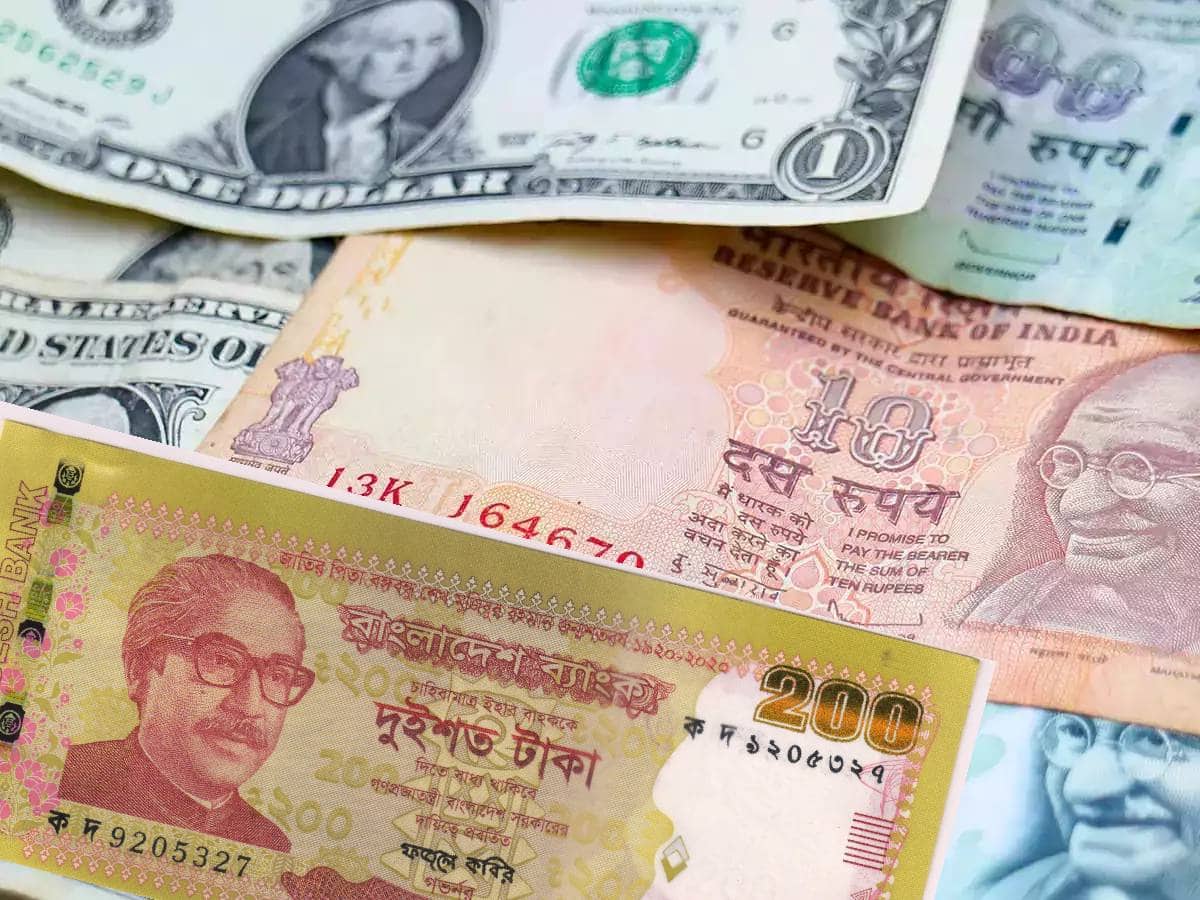
Bangladesh's currency has strengthened significantly against the Indian rupee over the past two years, marking an important shift in the exchange rate between the two neighbouring countries. According to the latest exchange-rate data and Bangladesh Bank figures, the Bangladeshi taka has appreciated by approximately 11.6% against the Indian rupee since September 2024.
The development comes at a time when Bangladesh continues to monitor foreign exchange stability and regional trade dynamics. While a stronger currency can reduce the local-currency cost of imports from India, economists caution that the overall impact on consumer prices will depend on several other economic factors.
Taka Records Stronger Position Against the Rupee
The latest exchange-rate data shows that on 22 September 2026, one Bangladeshi taka was worth around ₹0.781. On the same date in 2024, one taka was worth about ₹0.700, indicating a gain of around 11.6% over two years.
During the past year alone, the taka appreciated by roughly 7.6% against the Indian currency. At the same time, the value of one Indian rupee declined from about Tk1.4292 in September 2024 to approximately Tk1.281 in September 2026.
Bangladesh Bank's interbank foreign exchange data also reflects the stronger position of the taka against the rupee in recent months.
A stronger taka means fewer taka are needed to purchase one Indian rupee than in previous years.
What Does the Stronger Taka Mean?
Officials say the appreciation of the taka could have positive implications for Bangladesh's trade relationship with India. India remains one of Bangladesh's largest trading partners, supplying raw materials, machinery, medicines, consumer goods, and industrial products.
A stronger taka may reduce the local-currency cost of importing goods from India if exchange-rate movements are reflected in import transactions. It could also reduce travel expenses for Bangladeshis visiting India for medical treatment, education, tourism, or business.
Businesses that depend heavily on Indian imports may also benefit from lower currency conversion costs, provided other import expenses remain stable.
Experts Say Prices May Not Fall Immediately
Economists emphasize that exchange rates are only one part of the pricing equation. Import costs are also influenced by freight charges, insurance costs, customs duties, taxes, transportation expenses, and international commodity prices.
As a result, consumers may not immediately notice lower prices for imported products, even if the taka strengthens against the rupee. Market competition, supply chain costs, and domestic inflation also play an important role in determining retail prices.
Analysts say businesses and consumers should view the stronger taka as a positive indicator for regional trade rather than an immediate guarantee of cheaper goods.
Wider Economic Importance
Bangladesh and India share extensive trade ties through land ports, seaports, and cross-border commerce. Currency movements between the two countries can influence import bills, business transactions, and purchasing power.
Bangladesh Bank says it continues to monitor the foreign exchange market to maintain stability and support orderly currency movements. The central bank's approach aims to balance external trade needs with broader macroeconomic stability.
The recent appreciation of the taka against the Indian rupee highlights changing regional currency dynamics. Whether the stronger currency translates into broader economic benefits will depend on future exchange-rate trends, import costs, and overall market conditions.
How did this land?
Related reporting

Bangladesh Moves Closer to Joining RCEP, the World’s Largest Free Trade Bloc
Bangladesh has entered the formal accession process for RCEP after ministers approved a working group to begin membership negotiations.

Bangladesh Raises Fuel Prices by Tk20 Per Litre, Raising Concerns Over Cost of Living
Bangladesh has increased fuel prices by Tk20 per litre, with transport fares and everyday living costs expected to rise.

High LNG prices continue to slow Bangladesh’s industrial growth
Bangladesh’s reliance on costly imported LNG is putting pressure on industry, electricity supply and public finances as Dhaka seeks alternatives.

Dispatch
Bangladesh's Youth Employment Challenge: Can Growth Create Enough Jobs?
Bangladesh's young workforce is growing, but skills gaps and weak job creation are making the transition from education to employment increasingly difficult.