
Bangladesh Raises Fuel Prices by Tk20 Per Litre, Raising Concerns Over Cost of Living
Bangladesh has increased fuel prices by Tk20 per litre, with transport fares and everyday living costs expected to rise.

The Government of Bangladesh has increased the retail price of all major petroleum fuels by Tk20 per litre, introducing one of the country's largest recent fuel price adjustments. The new prices came into effect from 21 September, affecting diesel, kerosene, petrol, and octane across the country.
The decision comes as international oil markets continue to experience pressure from rising crude oil prices and increased shipping costs linked to tensions in the Middle East. Officials say the adjustment is necessary to address growing import costs and financial pressure on the country's energy sector.
New Fuel Prices Take Effect Nationwide
Under the new pricing structure, diesel now costs Tk135 per litre instead of Tk115, while kerosene has increased from Tk135 to Tk155 per litre. Petrol has risen from Tk140 to Tk160, and octane has increased from Tk145 to Tk165 per litre.
The revised prices became effective from midnight following a government notification, and fuel stations across Bangladesh have started selling fuel at the updated rates.
Government Explains the Decision
The Ministry of Power, Energy and Mineral Resources said the price adjustment was made to reduce the financial burden on the Bangladesh Petroleum Corporation (BPC). According to officials, higher international oil prices, increased freight and insurance costs, and pressure on foreign currency reserves have significantly raised fuel import expenses.
The government also said that narrowing the price gap with neighbouring countries could help discourage cross-border fuel smuggling.
Officials say the adjustment reflects changes in global energy markets and the cost of importing petroleum products.
Possible Impact on Transport and Inflation
Economists and transport analysts say the fuel price hike is expected to affect several sectors of the economy. Diesel is widely used in public transport, freight movement, agriculture, and industrial activities, meaning the increase could raise transportation and production costs.
Transport owners have proposed increasing bus fares by 20 paisa per kilometre for both city and inter-district services. The Bangladesh Road Transport Authority (BRTA) is expected to review the proposal before announcing any official fare adjustment.
Higher transportation costs could also increase the prices of vegetables, rice, fish, and other essential goods as supply chain expenses rise.
Public Reaction and What Comes Next
The announcement has generated concern among commuters, small business owners, and households already facing high living expenses. Many people fear that higher fuel prices will eventually lead to increased transport fares and further inflation.
Business groups have also warned that rising fuel costs may increase manufacturing and logistics expenses, affecting businesses and consumers alike.
While the government says the adjustment is aimed at protecting the energy sector from mounting losses, the coming weeks will determine how the increase influences transport fares, food prices, and the overall cost of living across Bangladesh.
How did this land?
Related reporting

New Pay Scale, Inflation, and Tax Reform: Is Bangladesh Easing the Cost-of-Living Crisis?
Bangladesh's latest pay scale and tax reforms aim to ease inflationary pressure, but economists say lasting relief depends on controlling prices.
Bangladesh Moves Closer to Joining RCEP, the World’s Largest Free Trade Bloc
Bangladesh has entered the formal accession process for RCEP after ministers approved a working group to begin membership negotiations.
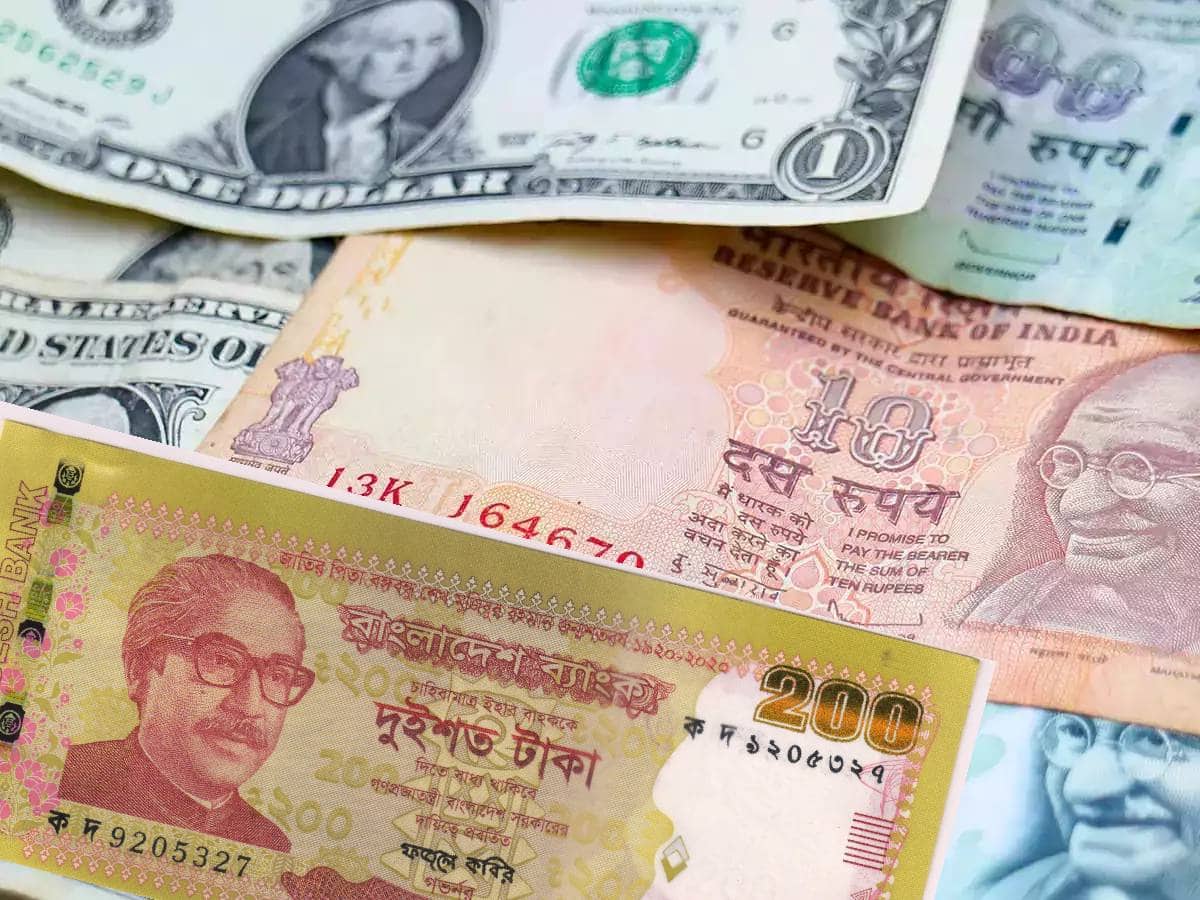
Bangladesh Taka Gains 11.6% Against Indian Rupee in Two Years
A stronger taka against the Indian rupee could lower import and travel costs, though experts say wider economic effects depend on market conditions.

High LNG prices continue to slow Bangladesh’s industrial growth
Bangladesh’s reliance on costly imported LNG is putting pressure on industry, electricity supply and public finances as Dhaka seeks alternatives.